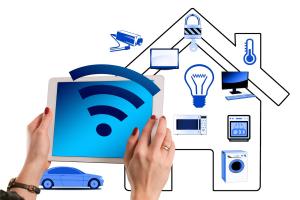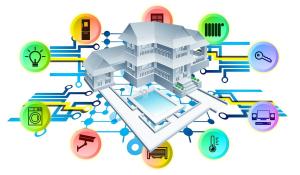
Wired devices bring a whole new level of reliability to your home automation setup. If you’re tired of losing connection or dealing with dead spots, switching to wired devices can make a huge difference. These devices connect directly to your router or network, which often means faster response times and stable connections. You won’t have to worry about interference from walls or other electronic devices.
One of the biggest perks of wired devices is that they tend to be more secure. Since they rely on physical connections, it's a lot tougher for someone to hack into your system compared to Wi-Fi devices. If security is a big concern for you, you might want to consider going wired where it makes sense.
Setting up wired devices isn’t as scary as it sounds! You might need a bit of extra cable and some basic tools, but it’s pretty straightforward. Devices like smart speakers, cameras, and thermostats often have easy-to-follow instructions for installation. Just make sure you choose the right length of cable to reach from your router to the devices.
Plus, you can enjoy the benefits of faster data transfer speeds! When you’re streaming video from security cameras or controlling your smart home devices, a wired connection ensures that everything runs smoothly. No more lag when you need things to happen instantly. Wired devices are perfect for those who want a dependable home automation experience without the hassle of constant Wi-Fi drops.
Benefits of WiFi Devices
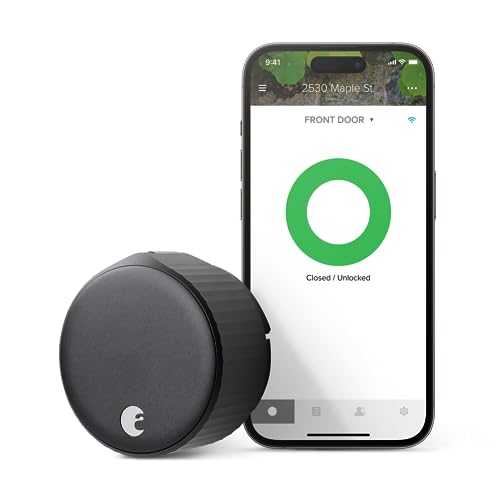
WiFi devices are a game changer for home automation. One of the biggest perks is the ease of installation. You don’t have to worry about running wires all over your house. Just plug in your device, connect it to your WiFi, and you’re good to go. It makes adding automation to your home super simple.
Another big win is flexibility. Since they run on WiFi, you can place these devices anywhere in your home, as long as you have a good internet connection. Want to control your lights from your backyard? No problem! You can set them up wherever you need them, without being tied down to a specific location.
Plus, many WiFi devices are often compatible with voice assistants like Alexa or Google Assistant. This means you can control your lights, thermostat, or security system just by talking. It adds a level of convenience that you just don’t get with wired systems. No need to get up or search for your phone – just ask!
Finally, updates and new features come through software, so you benefit from improvements over time. You won’t have to replace any hardware to enjoy new capabilities. Just keep your device connected to the internet and voila! You’re always in the loop with the latest tech.
Choosing the Right Setup for You
When deciding between WiFi and wired home automation devices, consider how you use technology in your home. WiFi devices offer great flexibility. You can place them anywhere without worrying about running cables. If you love rearranging your spaces or moving things around, WiFi devices make it a snap. Plus, setting them up is often a breeze—just connect to your network and you’re good to go!
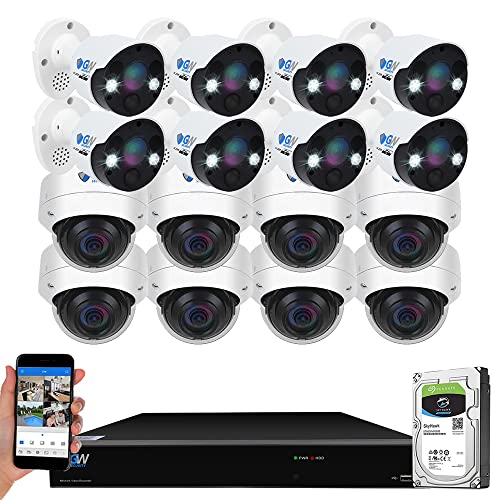
On the flip side, wired devices can be super reliable. They tend to offer a stable connection, which is perfect for devices that need to stay connected all the time, like security cameras. If you’re in a larger home or live in an area where WiFi signals can get weak, wired devices might save you a lot of headaches.
Think about your lifestyle. Are you tech-savvy and enjoy tinkering with gadgets? Wired setups might give you the challenge you're looking for. But if you’re looking for convenience and ease, WiFi devices usually fit the bill. They’ll get you up and running in no time and let you control everything from your phone.
Take into account your home's layout and construction as well. Thick walls or a lot of interference can affect WiFi performance. In these cases, wired devices might be your best bet. Map out where you want to place devices and see what setup makes the most sense for your needs. Trust your gut—choose what feels right for your home and lifestyle.
Pros and Cons of Each Option
Wi-Fi devices are super convenient because they connect to your existing internet. You can easily control them from anywhere using your smartphone. Imagine being at work and checking if you left the lights on—no big deal!
But it’s not all sunshine. Wi-Fi devices depend on your internet connection, and if your Wi-Fi goes down, so do they. Plus, they can sometimes suffer from lag or interference if you have a lot of devices connected.
Wired Home Automation Devices
Wired options are super solid if you want reliable, consistent performance. They connect directly to your network through Ethernet cables, which means you won’t face Wi-Fi dropouts or slow speeds. Perfect for those who want everything to run smoothly!
However, wired devices require a bit more effort to set up. You might need to run cables around your house, which is a hassle if you're not handy. Plus, they typically cost a bit more upfront.